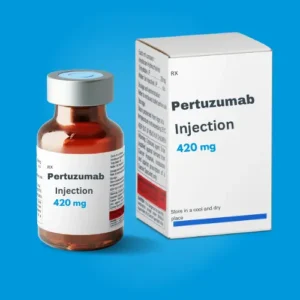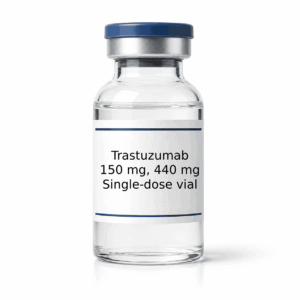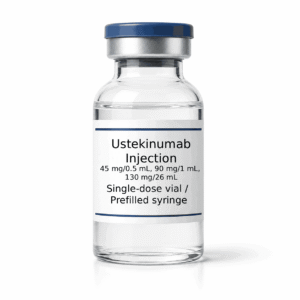

India is known as one of the world’s leading pharmaceutical hubs. The country supplies high-quality, affordable generic and branded medicines to over 200 countries. For wholesalers, hospitals, distributors, and pharmaceutical importers worldwide, understanding how to import medicines from India is important to ensure compliance, quality, and timely delivery.
This guide explains the complete pharmaceutical import process, key regulations, and how to work with trusted suppliers.
Why Import Medicines from India?
Importing medicines from India has so many benefits. India is known as the “Pharmacy of the World,” and the country supplies medicines to more than 200 countries.
Key advantages:
- Wide range of cost-effective generic and specialty pharmaceutical products
- Access to WHO-GMP, PIC/S, SAHPRA, NAFDAC, US FDA, and EU-GMP-accredited products
- Strong network of leading pharmaceutical manufacturers in India
This makes pharmaceutical imports from India a strategic choice for international wholesalers, distributors, hospitals, and NGOs.
Types of Medicines You Can Import from India:
When you import pharmaceutical products from India, you can access:
- Generic medicines (tablets, capsules, injectables)
- Specialty drugs (oncology, hepatology)
- Rare disease medicines like Trientine (Triokris)
- Hospital and critical care therapeutic drugs
Many buyers specifically look to import generic medicines from India because of their affordability and quality.
Understanding the Pharmaceutical Import Process:
To efficiently import medicines from India, you must follow a structured process:
1. Identify a Reliable Supplier: Choose a trusted exporter like Ikris Healthplus that offers:
- Verified sourcing from licensed manufacturers
- Complete regulatory documentation
- Experience in global pharmaceutical supply
Reliable international medicine suppliers in India help ensure authenticity and compliance.
2. Check Import Regulations in Your Country: Each country has its own medicine import regulations. You must verify:
- Import license requirements
- Product registration status
- Documentation needed for customs clearance
Understanding local regulations is very important in the pharmaceutical import process.
3. Ensure Regulatory Compliance in India: Indian exporters must comply with:
- CDSCO (Central Drugs Standard Control Organization) guidelines
- Export documentation standards
- Quality certifications (WHO-GMP, etc.)
This ensures safe and compliant pharmaceutical import from India.
4. Documentation Required for Import: Proper documentation is important when you buy medicines from India in wholesale/bulk. Common documents include:
- Commercial Invoice
- Packing List
- Certificate of Analysis (CoA)
- Certificate of Origin (CoO)
- Manufacturing License
- Product Dossier (if required)
Incomplete documentation is one of the primary causes of delays.
5. Shipping & Logistics: Medicines require careful handling:
- Temperature-controlled (cold chain) shipping for sensitive products
- Air freight for urgent deliveries
- Sea freight for bulk shipments
Choosing the right logistics partner ensures safe delivery when you import pharmaceutical products from India.
6. Customs Clearance & Delivery: Once the shipment reaches your country:
- Customs authorities verify documents
- Regulatory approvals are checked
- Duties and taxes are applied
After clearance, medicines are delivered to your warehouse or healthcare facility.
Medicine Import Regulations: What You Must Know
Compliance is the backbone of successful imports. Key regulatory considerations include:
- Import licenses (country-specific)
- Drug registration requirements
- Labeling and packaging rules
- Shelf-life requirements (usually 70–80% remaining)
- Batch traceability and authentication
Failing to meet medicine import regulations can result in shipment rejection or penalties.
How to Choose the Right Pharmaceutical Supplier in India:
Having the right pharmaceutical supplier is important for long-term success in global medicine import. A reliable partner not only ensures product quality but also supports regulatory compliance, on-time delivery, and smooth supply chain operations. When evaluating suppliers, look for the following:
- Certified Manufacturing Sources: Ensure the supplier works with manufacturers that are certified by globally recognized regulatory authorities such as WHO-GMP, PIC/S, US FDA, SAHPRA, NAFDAC, or EU-GMP. Such certifications guarantee that the medicines are manufactured under strict quality standards. This is especially important for regulated markets where compliance is non-negotiable.
- Regulatory Expertise: A strong supplier should have in-depth knowledge of global pharmaceutical import regulations, including country-specific requirements for documentation, labeling, and product registration. Their expertise helps prevent delays, reduces the risk of shipment rejection, and ensures smooth customs clearance in your country.
- Complete Documentation Support: Reliable suppliers provide the complete documentation required for import and regulatory compliance. This includes Certificates of Analysis (CoA), Certificate of Origin (CoO), manufacturing licenses, batch records, and export documents. Proper documentation ensures transparency, builds trust, and is important for audits and regulatory approvals.
- Cold Chain & Logistics Capabilities: For temperature-sensitive medicines such as biologics and injectables, maintaining the correct storage conditions is important. Choose suppliers with GDP-compliant cold chain logistics, validated packaging, and real-time temperature monitoring to ensure product integrity throughout transportation.
- Transparent Communication & Reliability: A trustworthy pharmaceutical supplier maintains clear and consistent communication regarding pricing, timelines, product availability, and shipment status. Transparency reduces uncertainty, helps in planning inventory, and builds a long-term, dependable business relationship.
Ikris Healthplus stands out as a reliable partner for pharmaceutical import from India, ensuring compliance and efficiency.
Benefits of Buying Medicines from India in Wholesale/Bulk:
When you buy medicines from India in wholesale or bulk, you gain:
- Best pricing for bulk procurement
- Access to a wide product portfolio
- Uninterrupted supply for hospitals and distributors
This is especially beneficial for importers in Africa, LATAM, Southeast Asia, and the Middle East.
Common Challenges in Importing Medicines:
Despite the benefits, importers often face challenges:
- Finding authentic suppliers
- Regulatory complexity across countries
- Shipping delays
- Risk of counterfeit products
- Incomplete documentation
Working with experienced international medicine suppliers in India helps overcome these challenges.
How Ikris Healthplus Exports Medicines from India?
Ikris Healthplus makes it easy for international wholesalers, suppliers, distributors, NGOs, and hospitals to import medicines from India with a structured and compliant approach.
Our Key Services:
- Wide Catalogue of 20,000+ Medicines
Access to EU-GMP, PIC/S, SAHPRA, NAFDAC, and WHO-GMP certified manufactured products - Support for the pharmaceutical import process and documentation
- Global sourcing of generic and specialty medicines
- Fully compliant cold-chain logistics for sensitive products
- Strategic EU-GDP-certified warehouses in Europe to move medicine readily
- End-to-end supply chain management
We ensure that every shipment is:
- Compliant with international regulations
- Fully documented
- Delivered on time
- Quality assured
Step-by-Step Summary: How to Import Medicines from India
- Identify a reliable supplier
- Understand your country’s import regulations
- Ensure product compliance and certification
- Prepare all required documentation
- Arrange logistics and shipping
- Complete customs clearance
Following these steps ensures a smooth pharmaceutical import from India.
Ready to Import Medicines from India?
India is a global leader in pharmaceutical manufacturing. The country offers affordable and high-quality medicines across the world. For importers, understanding how to import medicines from India is important to unlock this opportunity.
By partnering with reliable suppliers and following the correct pharmaceutical import process, you can ensure safe, compliant, and cost-effective access to medicines.
If you are a global pharmaceutical importer, and are looking to:
- Import generic medicines from India
- Buy medicines from India wholesale
- Source pharmaceutical products globally
Ikris Healthplus is here to support you with compliant exports from India. Contact our team today to get expert guidance and a fast quotation for your requirement.
Frequently Asked Questions (FAQs):
1. Is it legal to import medicines from India?
Yes, it is legal to import medicines from India, provided you comply with your country’s import regulations and licensing requirements. Importers must ensure proper documentation, product registration (if required), and adherence to local regulatory authorities before importing pharmaceutical products.
2. What documents are required to import medicines from India?
To import medicines from India, you typically need a Commercial Invoice, Packing List, Certificate of Analysis (CoA), Certificate of Origin (CoO), Manufacturing License, and product-related regulatory documents. Requirements may vary depending on your country’s pharmaceutical import regulations.
3. How can I find reliable pharmaceutical suppliers in India?
You can find reliable pharmaceutical suppliers in India by choosing companies that work with WHO-GMP, US FDA, PIC/S, SAHPRA, NAFDAC, or EU-GMP certified manufacturers. Trusted suppliers like Ikris Healthplus also provide complete documentation, regulatory support, and verified sourcing from authorized distributors.
4. Can I import generic medicines from India for resale?
Yes, you can import generic medicines from India for resale, but you must comply with your country’s drug registration and import licensing requirements. Many importers choose India for generic medicines because of cost-effectiveness and global quality standards.
5. How long does it take to import medicines from India?
The timeline for importing medicines from India may vary and depend on documentation readiness, regulatory approvals, and shipping method. Delays can occur if documentation or compliance requirements are incomplete.
References & Sources: